Central Penn medical-assisting students turn training into career preparation
The college’s hands-on program is the gateway to this rewarding career
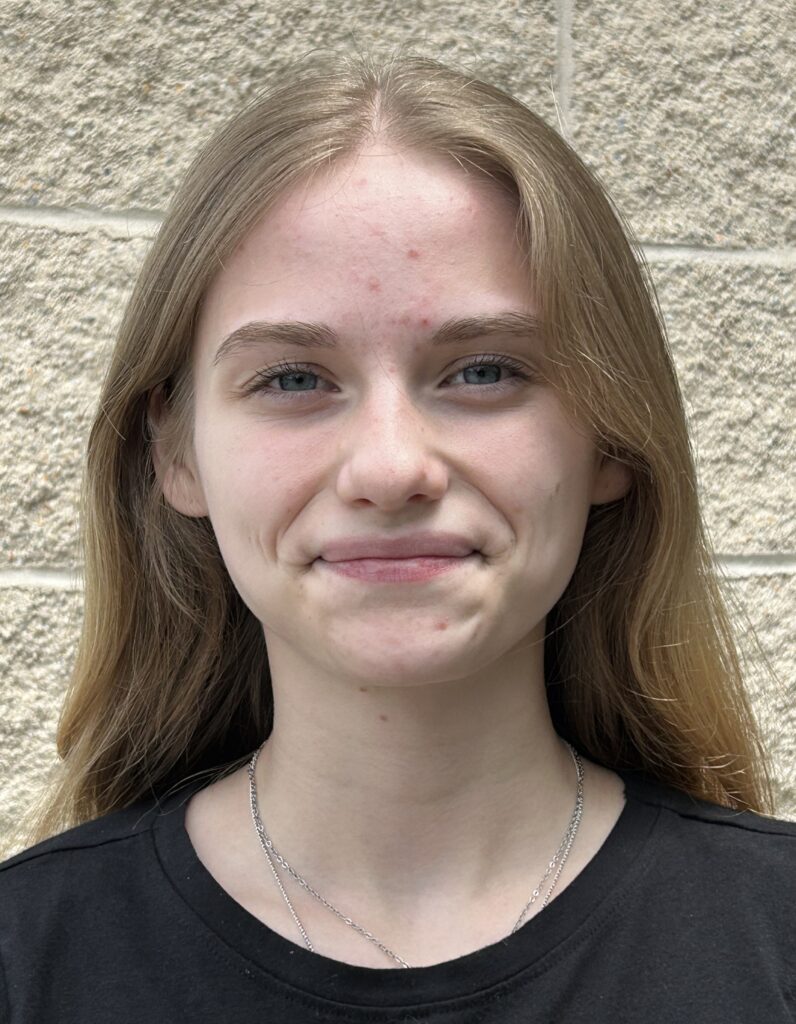
By Jules Quare
Knightly News Reporter
It’s a common issue among college students nearly everywhere: Some know what they want to do from the beginning, and others aren’t sure, but they find their path through experiences.
Central Penn College’s medical-assisting students are pursuing training in one of a dozen health-care programs the college offers through a selection of bachelor’s and associate degrees, and certificate programs.
The medical-assisting students and other Central Penn health-care students are working toward careers while learning how to care for patients and gaining hands-on experience along the way.
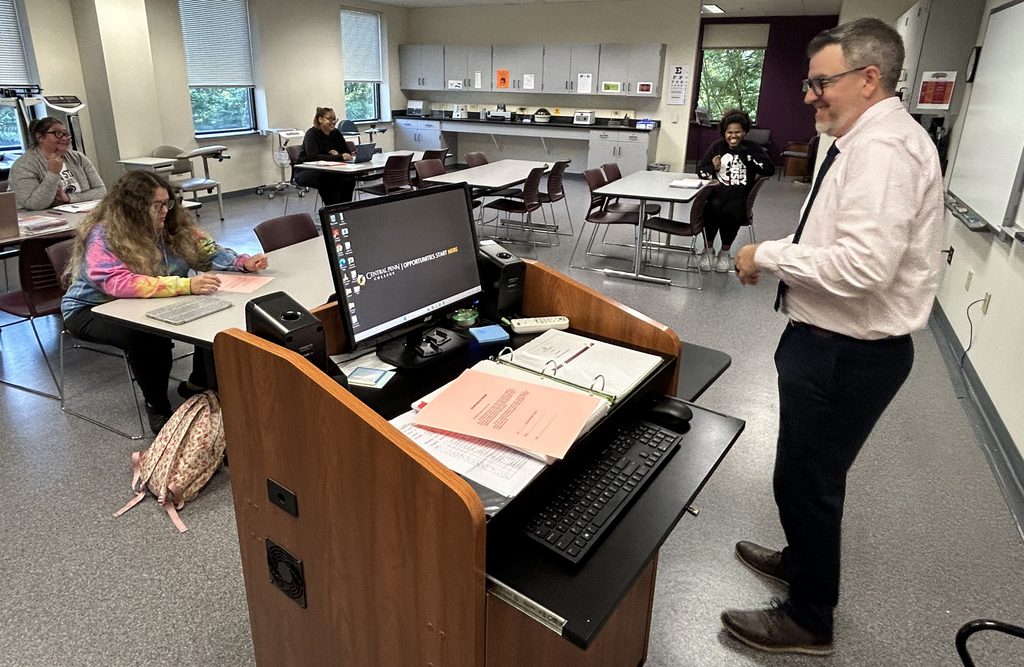
Christopher Adams, an instructor in Central Penn’s School of Health Sciences, has deep experience in health care and has been a Central Penn student. Before joining Central Penn’s faculty, Adams worked in emergency medical services. His experience in emergency-room work helped him realize he didn’t want to become a nurse because of the high stress in that career.
Photo by Michael Lear-Olimpi
“I got into it because most of my background prior to that was in emergency medical services,” Adams said. “Medical assisting allowed me to still do patient care, but it was more one-on-one. It’s much more personal.”
Adams said that when he began teaching at Central Penn, he wanted to introduce students to medical assisting because many people may not know much about the career or what medical assistants do.
He said that one thing that makes Central Penn stand out is that instructors have considerable experience in the jobs that they teach students how to do.
“The biggest thing was the people that teach, they also do,” Adams said about what brought him to Central Penn. “You want somebody who has the ability to share real-world experience with you and not just preach from a textbook.
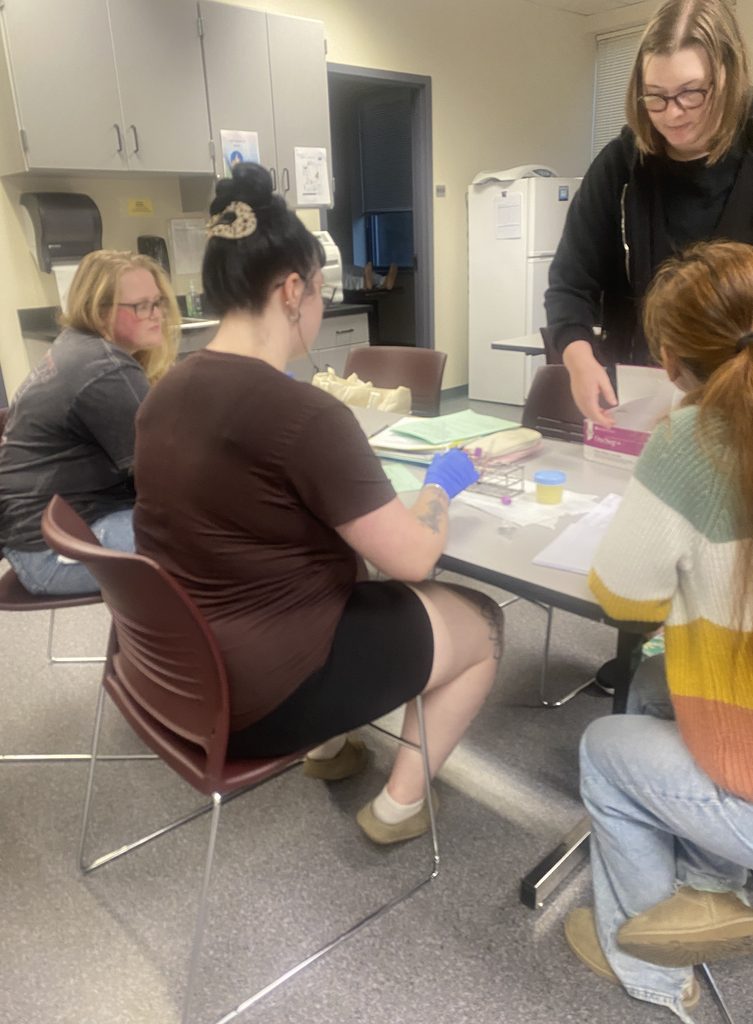
The medical-assisting program is part online and part on-ground. Students complete online courses for material that can be taught effectively online. Hands-on lab classes are held on campus. Students spend four hours a week in the medical-assisting lab learning and sharpening skills through instruction and practice, and by faculty evaluation.
A desire to help people
Jeffery Jean chose medical assisting because he enjoys helping people and because he has patience. He felt those qualities made the program a good fit for him. He chose Central Penn because he felt it had a solid medical-assisting program that would help him step into the career.
Starting the program was a little difficult for Jean because he was nervous about learning new things. But after a few days, he began to understand the material and feel more comfortable.
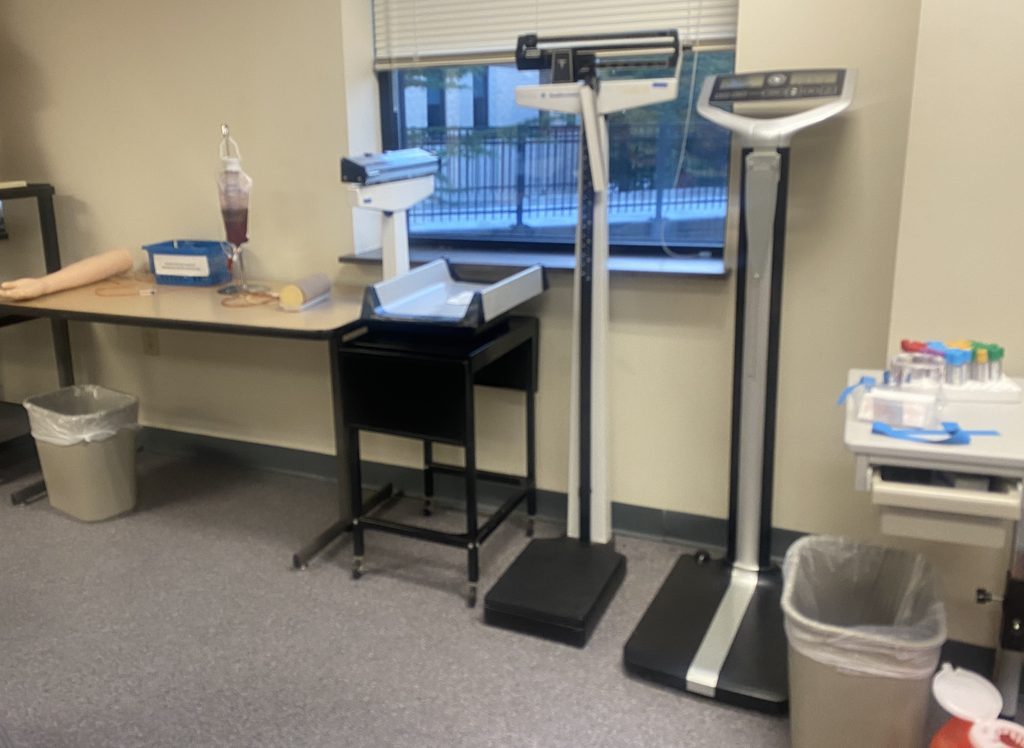
“I feel great about these courses because I learned a lot,” Jean said, “like how to help the patient and how to take care of them.”
Jean hopes to use his career to help his family, friends and the community.
Kelsey Gal entered the medical-assisting program without any previous medical experience. She had heard medical terms before but didn’t have a full grasp on what they meant. Gal said she chose Central Penn because it was close to home and gave her the opportunity to pursue a health-care career.
Her first week in the program was challenging because she was learning so many new things. As she continues through the program, she has become more confident. She said the challenges pushed her to do better.
“The program is definitely challenging but in a good way,” Gal said. “It pushes me to do better and is definitely motivating.”
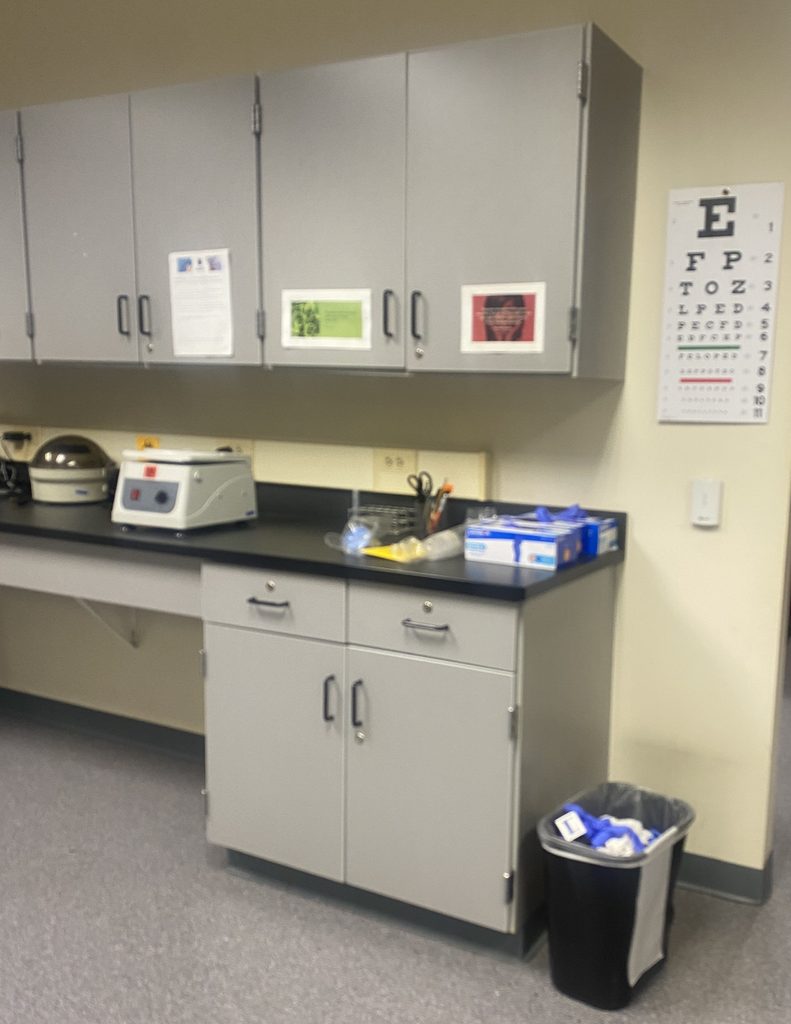
After graduation, Gal plans to work in a family-doctor’s office.
Honestee Coldsmith said she chose Central Penn because she wanted a smaller college. She wants to use medical assisting as a starting point for a nursing career.
One of Coldsmith’s biggest challenges has been time management. She works two jobs, participates in sports and still must find time to complete her schoolwork. Even with everything she has going on, Coldsmith has continued to keep up with the program and has made the Dean’s List.
Coldsmith was concerned about starting the program without having much health-care knowledge, but she is determined to become a nurse.
She described the medical-assisting program as hands-on, challenging and requiring dedication.
These are students with distinct reasons for choosing medical assisting but who want to build a future in health care, and they are doing that through hands-on learning with instructors with real-world experience.
Quare is co-vice president of The Knightly News Media Club @ Central Penn College, which publishes the award-winning Knightly News, and its livestream broadcasts and podcasts.
Comment or story idea? Contact [email protected].
Edited by media-club co-adviser and blog editor Professor Michael Lear-Olimpi.