CPC library director helps form libraries collective
Seven colleges will share content

By Alex Foley
Knightly News Reporter
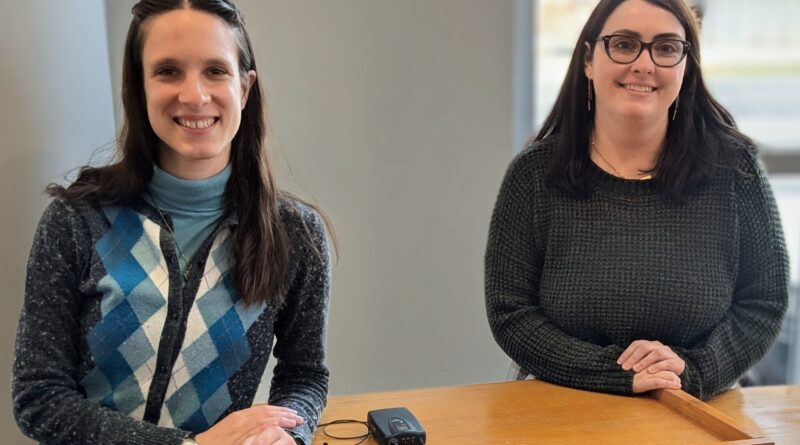
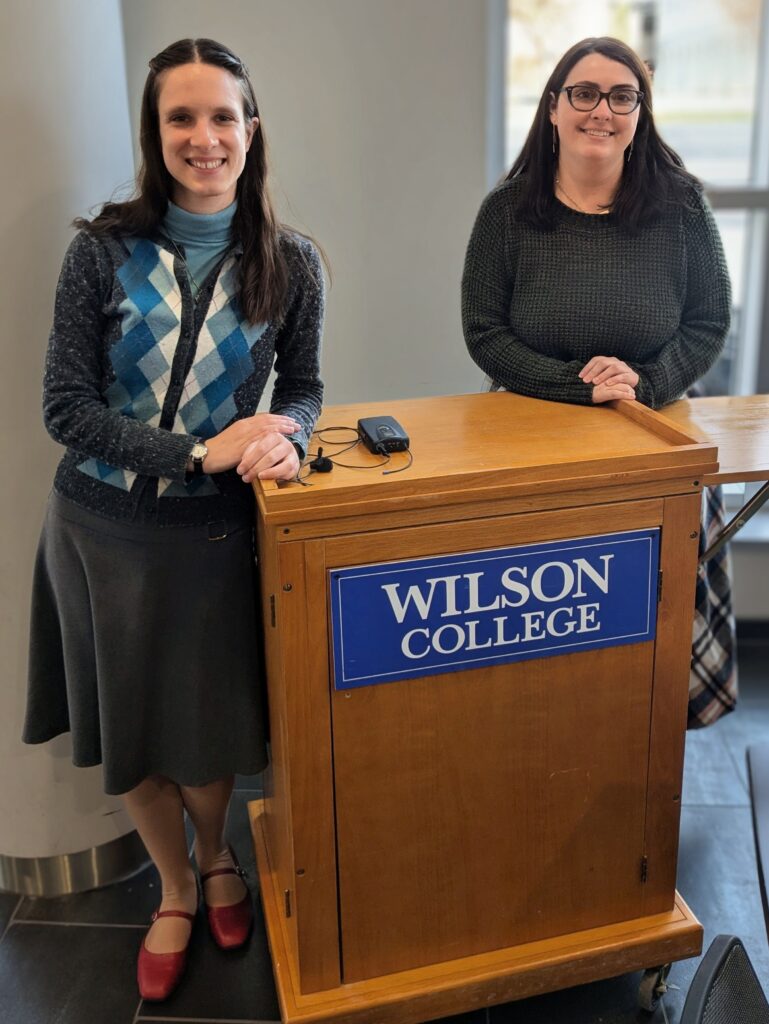
Margret Schachte, Central Penn’s library director, is always looking for ways people can benefit from libraries.
Her latest project is a digital library consortium.
The aim of the Pennsylvania Academic Libby Consortium is to bring together electronic library resources from a variety of colleges across Pennsylvania. These information sources include ebooks, audiobooks and digital textbooks, and they will be accessible to students and employees of participating schools.
A key word in the name of the group of seven schools—Central Penn, Erie County Community College, Harcum College, Keystone College, Thaddeus Stevens College of Technology, Susquehanna University and Wilson College—is Libby, a library-partnership available through participating libraries as a mobile and desktop lap.
Schachte (pronounced SHOCK-tee) said these schools are just the beginning. Many more schools have expressed interest in joining the consortium. Many schools across the country participate in Libby. Central Penn’s Libby access will debut in January.
Central Penn offers a digital library catalog through the online platform Ebook Central, but Schachte explained that the platform has its limitations, and she had been considering looking elsewhere for some time. One limitation is an inability for patrons to borrow materials from neighboring college libraries and a lack of audiobooks. So, here comes the Pennsylvania Academic Libby Consortium.
Also, earlier this year, Ebook Central’s parent company, Clarivate, announced it will be switching to a subscription-based model and phasing out the option for libraries to make a one-time purchase for perpetual licenses of online and ebook content. Schachte said a subscription-based model works like a streaming service, where the user pays one flat rate and has access to everything on the platform—for as long as each video is available.

In an academic setting, though, purchasing individual titles, such as with licensing through Libby, allows librarians to have maximum control over titles in their collections. That level of control is important to college librarians so that they can ensure students have the correct resources for their classes. This change also came with the addition of yearly contract price increases of 4 percent to 6 percent, and implementation of artificial intelligence software within the platform.
So, Schachte began looking at other platforms. She worked in conjunction with Cassandra Dwyer, a librarian with Thaddeus Stevens College of Technology, in Lancaster, and that was when the idea of building a consortium came up. The structure of a consortium would allow all associated libraries to pool resources and electronic titles into one shared platform.
The librarians chose Libby to host this consortium.
Schachte said it was important to ensure the platform was accessible inside and outside the classroom. She added that Libby offers a user-friendly app and a reliable desktop alternative.
She hopes to increase online access to textbooks and other materials related to Central Penn courses, and she hopes professors will be able to incorporate Libby materials in their classrooms.
Libby also offers a long-requested feature—audiobooks. Schachte said students and faculty members have frequently requested audiobooks, and Libby allows borrowing audio content.
Patrons have also asked for more recreational titles, and librarians at several schools in the consortium have expressed an interest in expanding the selection of recreational reading and audio titles.
Schachte explained that Libby is financially beneficial, too. She said the annual Libby price is much lower than Ebook Central’s, and that Libby fees roll over into an allowance that can be used to purchase ebook and audiobook licenses.
Libby also will match libraries with complimentary copies of digital titles owned on other platforms. For Central Penn’s Charles T Jones Leadership Library, which has been building a collection of ebooks since 2013, that is a major benefit.
Schachte said the platform will launch in January. People at Pennsylvania Academic Libby Consortium colleges will be able to access Libby material in several ways. Patrons will be able to download the Libby mobile app and add Central Penn College as a library-card option. They will also be able to access the catalog online through the library’s website or by navigating the Central Penn College Lib-Guides.
She added that she welcomes patrons to request titles or content to add to the catalog.
Foley is secretary of The Knightly News Media Club @ Central Penn College.
Comments or story idea? Contact [email protected].
Edited by Knightly News co-adviser and editor of this blog, Professor Michael Lear-Olimpi.


